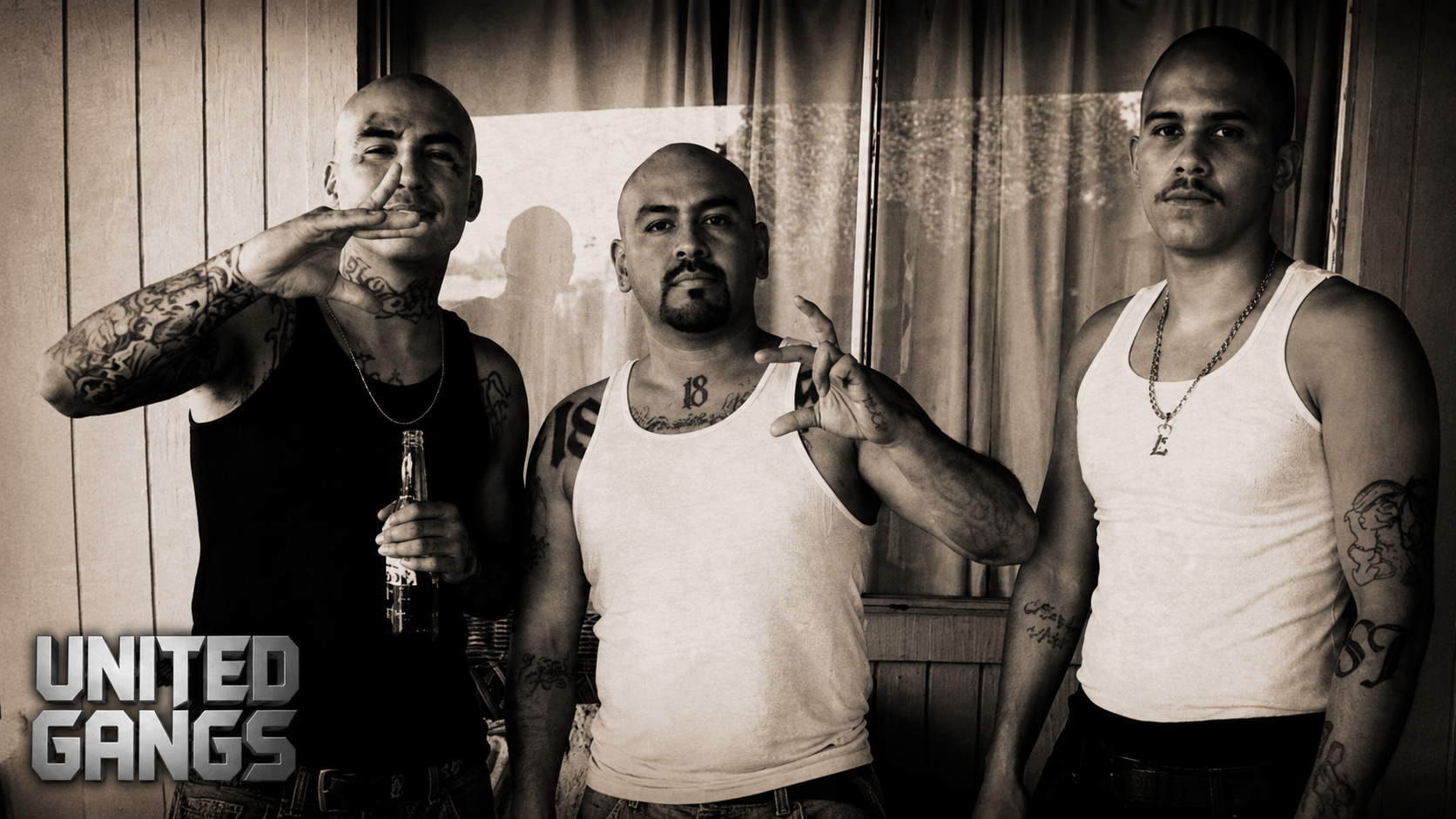
Full Name: Westlake 18th Street
Also Known As: Westlake 18th Street, West Side 18th Street, Barrio 18, 18th Street Gang, XVIII, XV3
Established: 1970s
Location: Westlake, Los Angeles, California
Territory: Westlake area of Central Los Angeles, including portions of the Pico-Union and MacArthur Park areas
Ethnicity: Predominantly Hispanic (Multiethnic)
Affiliation: 18th Street Gang, Sureños
Prison Affiliation: Mexican Mafia (La Eme)
Main Cliques: Columbia Lil’ Cycos, Shatto Park Locos, 3rd Street
Primary Allies: 8th Street cliques
Primary Rivals: MS-13, Rockwood Street Locos, Clanton 14
Rappers: Buc The Great
The Westlake 18th Street Gang refers to the collection of 18th Street cliques operating throughout the Westlake neighborhood of Central Los Angeles. The neighborhood consists primarily of the Columbia Lil’ Cycos, Shatto Park Locos, and 3rd Street Gangsters cliques, which occupy different sections of Westlake while sharing the broader identity of the 18th Street Gang.
Located immediately northwest of Downtown Los Angeles and bordering Pico-Union, Koreatown, and MacArthur Park, Westlake developed into one of the largest concentrations of 18th Street activity outside the original Rampart neighborhood. Over the past several decades, its cliques have appeared in gang injunctions, homicide prosecutions, Mexican Mafia investigations, civil litigation, and federal racketeering cases.
History
Westlake 18th Street developed during the 1970s and 1980s as members of the original Rampart 18th Street neighborhood expanded north from Pico-Union into the residential districts surrounding MacArthur Park. As the organization grew beyond its original territory, new neighborhood cliques emerged throughout Westlake while remaining part of the broader 18th Street organization.
The area’s dense apartment housing, growing immigrant population, and close proximity to the original Rampart neighborhood contributed to the rapid spread of 18th Street throughout Westlake. Rather than developing as a single clique, the neighborhood became organized through several localized factions that identified with different sections of the community.
Among the Westlake cliques are Columbia Lil’ Cycos, Shatto Park Locos, and 3rd Street. Each developed around its own streets and gathering places while sharing the same neighborhood identity.
Territory & Cliques
Westlake 18th Street occupies portions of the Westlake neighborhood surrounding Columbia Avenue, Shatto Place, West 3rd Street, and the residential corridors bordering MacArthur Park. The neighborhood consists primarily of densely populated apartment complexes and commercial streets immediately west of Downtown Los Angeles.
Columbia Lil’ Cycos
Columbia Lil’ Cycos developed around the Columbia Avenue corridor and became one of the neighborhood’s best-known 18th Street cliques. Members have appeared in numerous criminal prosecutions involving narcotics trafficking, firearms offenses, assaults, homicide investigations, and federal racketeering cases.
Shatto Park Locos
Shatto Park Locos developed around Shatto Recreation Center and the surrounding residential streets, extending into portions of western Westlake and eastern Koreatown. The clique became one of the best-documented factions within Westlake 18th Street after appearing in gang injunctions, Mexican Mafia investigations, civil lawsuits, homicide prosecutions, and federal investigations involving organized criminal activity.
3rd Street Gangsters
The 3rd Street clique occupies the northern portion of the neighborhood near West 3rd Street and adjacent residential blocks. Although generally smaller than Columbia Lil’ Cycos and Shatto Park Locos, the clique forms part of the broader Westlake 18th Street neighborhood and shares its territory, rivalries, and Sureño affiliation.
Documented Incidents
Westlake Gang Injunction (1998)
In 1998, the Los Angeles City Attorney obtained a civil gang injunction targeting documented members of Westlake-based 18th Street cliques operating throughout the MacArthur Park and Westlake communities. The injunction prohibited identified gang members from associating in public, intimidating witnesses, possessing firearms, acting as lookouts, and engaging in other specified activities within designated safety zones. The action formed part of the City’s broader effort to reduce gang-related violence and narcotics trafficking in one of Los Angeles’ most densely populated neighborhoods.
Murder of 23-Day-Old Infant Near MacArthur Park (2007)
In September 2007, members of the Columbia Lil’ Cycos clique attempted to extort a street vendor near MacArthur Park. During the confrontation, gunfire intended for the vendor instead struck and killed a 23-day-old infant. Federal prosecutors later included the murder among the racketeering acts supporting a federal RICO prosecution against the clique. Several defendants were convicted and received life sentences or other lengthy federal prison terms for their roles in the killing.
Civil Lawsuit Against Hoover Locos and Shatto Park Locos Leadership (2008)
In 2008, the Los Angeles City Attorney filed a civil nuisance lawsuit against imprisoned leaders associated with the Hoover Locos and Shatto Park Locos cliques. Rather than pursuing additional criminal convictions, the City sought financial damages on behalf of residents and businesses affected by alleged gang activity throughout the Pico-Union and Westlake communities.
According to prosecutors, incarcerated gang leaders continued directing criminal activity through outside associates while collecting “street taxes” from narcotics traffickers and local businesses operating within their claimed territory. The lawsuit was part of the City’s broader effort to disrupt established gang leadership and organized criminal activity through civil enforcement.
Columbia Lil’ Cycos Federal Racketeering Case (2009–2012)
In 2009, federal prosecutors unsealed a sweeping racketeering indictment charging dozens of members and associates of the Columbia Lil’ Cycos clique with offenses including murder, attempted murder, narcotics trafficking, extortion, money laundering, and firearms violations. Prosecutors alleged that members of the clique operated a long-running criminal enterprise while maintaining ties to imprisoned members of the Mexican Mafia.
The prosecution resulted in numerous guilty pleas and convictions, including life sentences for several defendants. The case became one of the largest federal racketeering prosecutions involving a Westlake-based 18th Street clique.
Allies & Rivals
Westlake 18th Street maintains longstanding rivalries with Mara Salvatrucha (MS-13), Rockwood Street Locos, Drifters 13, Crazy Riders 13, and Westside Clanton 14. These conflicts have historically centered on territorial boundaries, narcotics trafficking, witness intimidation, and retaliatory violence throughout the Westlake and Pico-Union communities.
As part of the broader Sureño prison structure, incarcerated members of Westlake 18th Street have historically fallen under the authority of the Mexican Mafia (La Eme). Federal investigations have also alleged that members of the prison organization exercised influence over criminal activities conducted by Westlake-based 18th Street cliques, including extortion and the collection of “street taxes” from narcotics traffickers and local businesses.